
Sudden Low Water Pressure? 7 Common Causes to Check
Troubleshooting Weak Water Flow Throughout Your Home
Low water pressure can show up in several ways. Maybe every faucet suddenly feels weaker, the upstairs shower has lost its usual flow, or one sink barely produces more than a trickle. Determining where the problem occurs is one of the first steps toward finding its cause.
Sometimes, low water pressure comes from something simple, such as a clogged faucet aerator or partially closed valve. Other times, it may point to a water filter restriction, water-heater sediment, well-system problem, or hidden plumbing leak.
For homeowners in Jacksonville, NC and surrounding communities, understanding these possible causes can help determine what you can safely check yourself and when it is time to call a plumber.
Is the Low Water Pressure Throughout the House or at One Fixture?
Before troubleshooting anything else, determine how widespread the problem is.
Turn on several faucets and showers throughout your home. Check both hot and cold water.
If the low water pressure occurs at only one faucet, the problem is more likely associated with that fixture, its aerator, or its shutoff valve. If several fixtures are affected—or the entire house suddenly has weaker flow—the problem may be farther back in the plumbing system.
Also pay attention to whether only the hot water is affected. Low hot water pressure can point toward an issue involving the water heater or the hot-water portion of your plumbing system.
Low Water Pressure FAQs
-
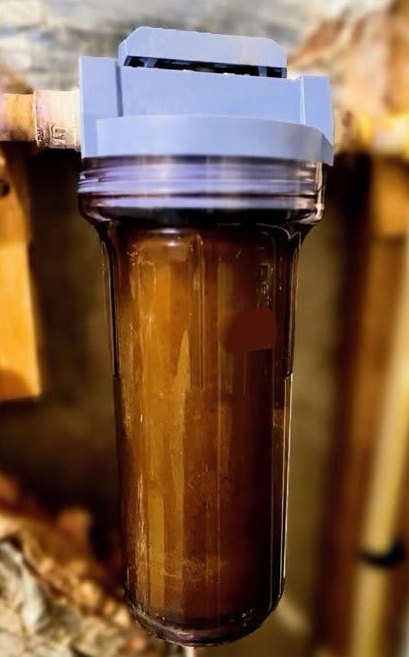
A whole-house water filter is designed to capture sediment and other material before it travels through your plumbing fixtures. As that filter collects debris, however, water flow can become restricted.
A dirty or overdue filter may therefore contribute to low water pressure throughout the house.
If your home has a whole-house filtration system, check the manufacturer’s recommended replacement schedule. Replacing a clogged filter may restore normal water flow if the filter was causing the restriction.
-
Plumbing fixtures throughout your home use shutoff valves to control their water supply. These are commonly found beneath sinks, behind toilets, and near washing machines.
If a valve is partially closed, water cannot move through the line at full capacity.
When low water pressure affects a particular fixture, make sure its shutoff valve is fully open. If pressure has changed throughout the house, the home’s main water shutoff should also be considered during troubleshooting.
A damaged or difficult-to-operate valve should be evaluated rather than forced.
-
If weak pressure occurs at only one or two faucets, inspect the faucet aerators.
The aerator is the small screened fitting located at the end of a faucet. Over time, debris and mineral deposits can collect inside it and restrict water flow.
Remove the aerator, rinse away visible debris, and reinstall it. This simple maintenance step can sometimes correct what appears to be a larger water pressure problem.
If multiple aerators repeatedly become clogged, however, there may be debris elsewhere in the plumbing system that needs attention.
-
Homes supplied by wells rely on equipment that maintains adequate water pressure.
A well pump pressure switch senses pressure inside the pressure tank and controls when the pump turns on and off. If that system isn’t operating correctly, homeowners may experience low water pressure, inconsistent pressure, or changes in water flow.
Because the pressure switch is an electrical control device and requires proper adjustment, Harrington Plumbing recommends having it checked by a qualified plumber rather than attempting adjustments yourself.
-
An outdoor hose bib that has been left partially open can be surprisingly easy to overlook, particularly when a hose remains attached.
Walk around your home and make sure each outside faucet is completely turned off.
A hose bib alone won’t explain every case of sudden low water pressure, but checking outdoor fixtures is a quick troubleshooting step before moving on to more complicated possibilities.
-
If the pressure problem primarily affects hot water, your water heater deserves attention.
Sediment and debris can accumulate inside a traditional tank water heater over time. Harrington’s source material recommends draining and cleaning tank debris annually because material moving through the plumbing can contribute to fixture and aerator clogs.
Professional water heater repair and maintenance can help determine whether sediment, valves, connections, or another water heater component is contributing to reduced hot water flow.
-
One of the more serious causes of low water pressure is water escaping somewhere before reaching your faucets.
Hidden leaks may occur in the yard, crawl space, walls, or beneath a concrete slab. Harrington specifically identifies each of these locations as areas a professional plumber may need to investigate.
Pay particular attention if reduced pressure occurs alongside high water bills, unexplained damp areas, the sound of running water, or other signs of a slab leak. Harrington’s existing slab-leak guidance specifically identifies reduced pressure as one potential warning sign.
Professional plumbing leak detection can determine whether water is escaping somewhere you cannot readily see.
When Should You Call a Plumber for Low Water Pressure?
A clogged aerator, dirty filter, or slightly closed fixture valve may provide a straightforward explanation. But when low water pressure affects multiple fixtures, appears suddenly, keeps returning, or cannot be traced to an obvious cause, a professional inspection becomes worthwhile.
It is particularly important to investigate when pressure changes occur alongside leaks, unusual water-heater behavior, unexplained water usage, or plumbing damage following cold weather. Homeowners can also take preventive steps to keep pipes from freezing, since frozen or damaged water lines can disrupt normal water flow.
Harrington Plumbing provides professional plumbing services for homeowners and businesses throughout Jacksonville, NC and nearby communities including Swansboro, Emerald Isle, Stella, and Cape Carteret.
Get to the Source of Your Water Pressure Problem
Low water pressure is a symptom—not a diagnosis. The real solution comes from identifying what is restricting the water, where the pressure change begins, and whether a simple fixture problem or a larger plumbing issue is responsible.
If basic troubleshooting does not restore normal water flow, Harrington Plumbing, Inc. can inspect your plumbing system, identify the source of the problem, and recommend the appropriate repair or replacement. The company’s supplied guidance specifically notes that its plumbers can check these potential trouble areas and perform a thorough analysis.